WARNING: This product contains nicotine.
Nicotine is an addictive chemical.
WARNING: This product contains nicotine.
Nicotine is an addictive chemical.
WARNING: This product contains nicotine.
Nicotine is an addictive chemical.
Inside the Lab: 62 Quality Tests Behind ATOM’s Batch-Level E-Liquid Quality Control
Inside the Lab: 62 Quality Tests Behind ATOM’s Batch-Level E-Liquid Quality Control
Descubrimientos
Descubrimientos
por
por
Kareena
Kareena
What does it actually take to verify e-liquid quality and safety? ATOM runs 62 physical and chemical tests per batch, covering nicotine accuracy, heavy metals, carbonyl compounds, nitrosamines and more in a CNAS-certified laboratory. Here’s what happens before every batch is approved.
What does it actually take to verify e-liquid quality and safety? ATOM runs 62 physical and chemical tests per batch, covering nicotine accuracy, heavy metals, carbonyl compounds, nitrosamines and more in a CNAS-certified laboratory. Here’s what happens before every batch is approved.
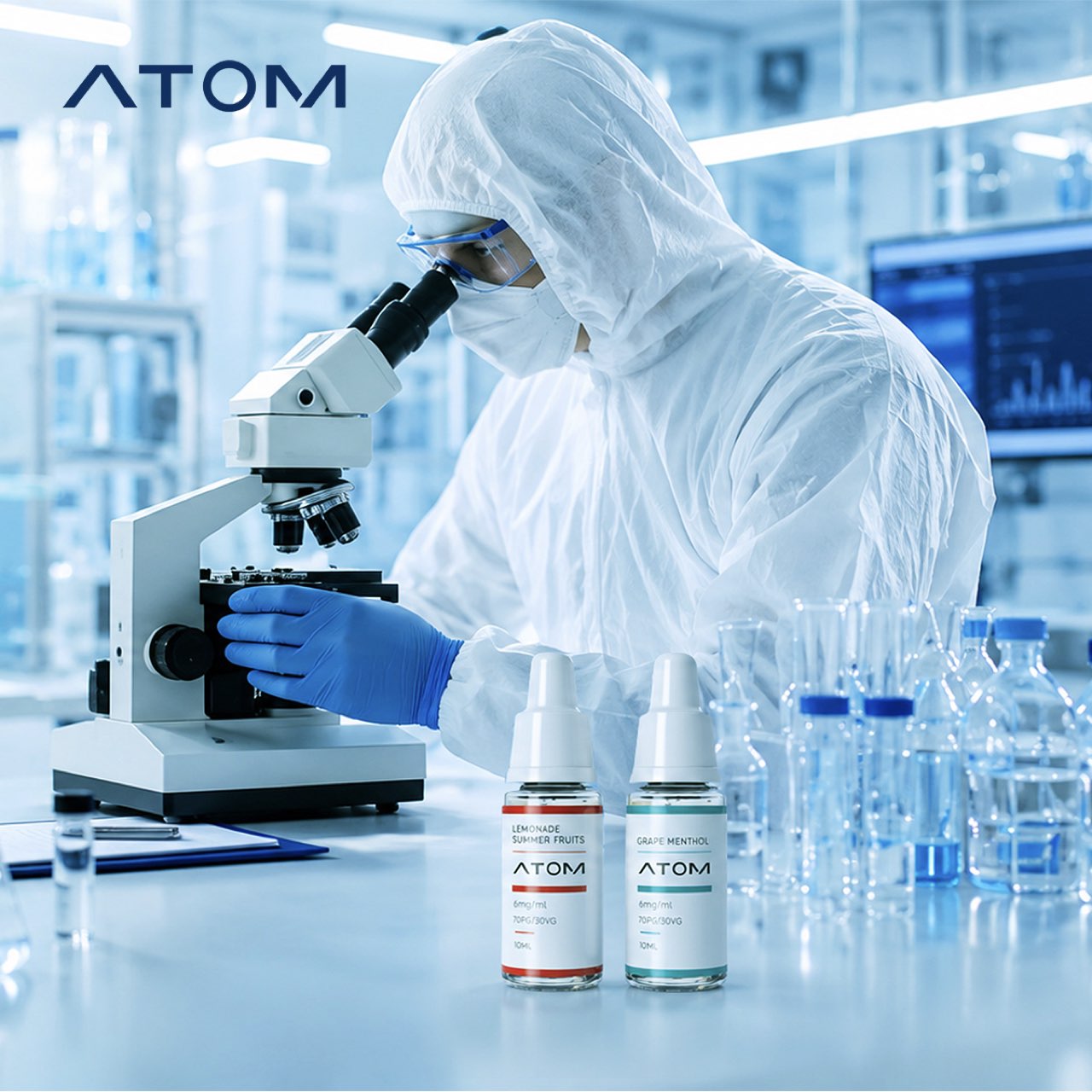
For wholesales, distributors, and retail partners, product selection is not only about flavour profile or market appeal. It is also about whether the product can support stable market operation, regulatory review, and long-term business reputation. Across global markets, this requires a supplier that can provide batch consistency, and documented test data to support applicable regulatory and quality requirements when needed.
ATOM’s quality inspection programme is designed to provide that foundation. Every production batch undergoes 62 individual physical and chemical tests before release, conducted in Hangsen’s in-house CNAS-certified laboratory — the first of its kind in the e-liquid industry, established in 2016. This enables ATOM to provide batch-level quality documentation that turns product quality from a general claim into a traceable, auditable process.
This article outlines ATOM’s full testing framework — what each category covers, what limits are applied, and how this supports businesses operating in regulated and quality-sensitive markets.
The CNAS-Certified Laboratory: Where the Testing Happens
Before reviewing the specific testing items, it is important to understand the laboratory framework behind them.
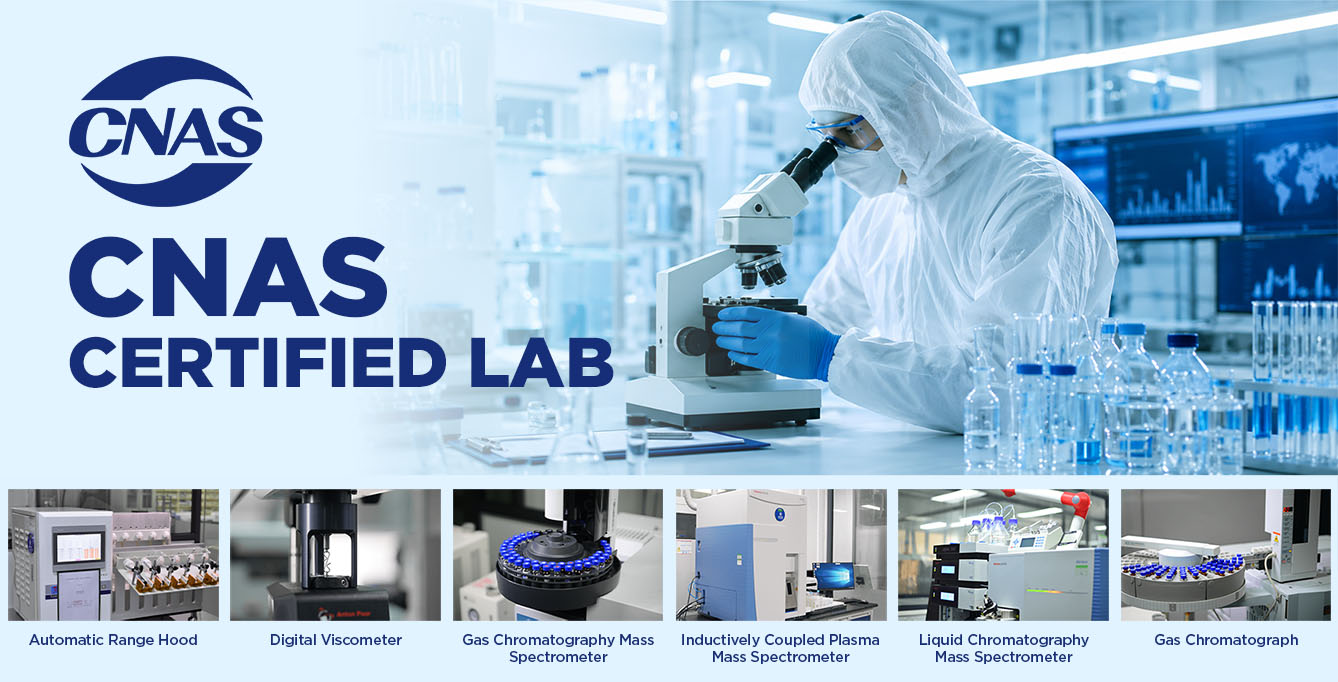
Hangsen’s in-house laboratory holds CNAS (China National Accreditation Service for Conformity Assessment) certification — the first in the e-liquid industry, established in 2016. CNAS accreditation is the Chinese equivalent of ISO 17025 laboratory accreditation and is recognised under the International Laboratory Accreditation Cooperation (ILAC) framework. It means the laboratory’s testing methods, equipment, personnel, and quality management systems have been independently audited and certified as competent by an internationally recognised body.
This is the same accreditation framework widely used by pharmaceutical testing laboratories, food safety laboratories, and environmental testing laboratories worldwide. For an e-liquid manufacturer, having this level of accredited in-house testing capability provides a stronger foundation for quality control, batch verification, and regulatory readiness.
Laboratory Equipment
The laboratory is equipped with pharmaceutical-grade analytical instruments selected specifically for e-liquid testing requirements:
Gas Chromatograph (GC) — Used to detect and quantify volatile organic compounds, including nicotine, propylene glycol, glycerol, methanol, and other alcohols. It is a core instrument for e-liquid composition analysis.
Liquid Chromatography Mass Spectrometer (LC-MS) — Provides highly sensitive detection of carbonyl compounds, including formaldehyde, acetaldehyde, acrolein, diacetyl, and tobacco-specific nitrosamines (TSNAs). It is essential for identifying trace-level hazardous substances that may not be detected by less sensitive methods.
Gas Chromatography Mass Spectrometer (GC-MS) — Combines the separation capability of gas chromatography with the identification accuracy of mass spectrometry. It is used for phthalate plasticiser screening, detecting all 17 target compounds in a single analytical run.
Inductively Coupled Plasma Mass Spectrometer (ICP-MS) — The standard instrument for heavy metal analysis. It can detect nine heavy metals at concentrations down to parts per billion, meeting the stringent limits required for both liquid and aerosol testing.
Digital Viscometer — Measures the dynamic viscosity of e-liquid formulations, verifying whether they match reference specifications and supporting consistency in product texture and vaping performance.
Automatic Range Hood (Smoking Machine) — Generates aerosol from e-liquid under controlled conditions and captures the output for analysis. This is required for the 15-item aerosol testing programme, as product evaluation must consider not only what is in the bottle, but also what is generated during use.
The 62-Test Framework: An Overview
ATOM’s quality inspection programme is structured around four production control nodes and two testing programmes:
4 Production Node Controls — Quality checkpoints embedded throughout the manufacturing process.
2 Sensory Index Detections — Organoleptic assessments covering taste and smell, conducted by trained sensory evaluators.
47 Atomized Liquid Physical & Chemical Tests — Comprehensive analysis of the liquid formulation before vaporisation.
15 Atomized Aerosol Physical & Chemical Tests — Analysis of the aerosol generated from the e-liquid under standardised conditions.
Together, these testing procedures cover the key measurable dimensions of product quality, formulation accuracy, and safety control.
Part 1: Atomized Liquid Testing — 47 Items
Section A: Main Ingredients
A fundamental requirement in e-liquid quality control is verifying that the contents of each bottle match the product specification and label declaration. This includes documented tolerances that balance formulation accuracy with normal manufacturing variability.
Nicotine — Target concentration must fall between 95% and 105% of the labelled amount (±5%). Tested using gas chromatography against standard T/CECC 002-2021. For example, a 10 mg/ml product must contain between 9.5 and 10.5 mg/ml in every tested batch.
Propylene Glycol (PG) — Must fall within 90%–110% of the labelled amount. Tested by gas chromatography against YC/T 242.
Vegetable Glycerin (VG / Glycerol) — Must fall within 90%–110% of the labelled amount. Tested by gas chromatography against YC/T 242.
These three measurements confirm that the base formulation is accurate and that nicotine delivery remains consistent across the batch.
Section B: Basic Physical and Chemical Indicators
Five fundamental physical parameters are tested to verify that the product matches its reference formulation. These indicators help confirm that the batch has been produced correctly and that no unexpected changes in composition occurred during manufacturing.
Relative Density (25°C/25°C) — Must be within ±0.010 of the reference substance value. Measured by automatic density meter against YC/T 145.2.
Refractive Index (25°C) — Must be within ±0.010 of reference. Measured by automatic refractometer against YC/T 145.3.
Dynamic Viscosity (25°C, mPa·s) — Must be within ±20% of reference. Measured by rotational viscometer against GB/T 10247.
Acid Value (AV, mg·KOH/g) — Two-tier requirement: if AV ≤20, must be within ±2 of reference; if AV >20, within ±10% of reference value. Measured against YC/T 145.1.
pH Value — Must be within ±0.5 of reference. Measured by pH meter against both YC/T 145.1 and GB/T 1353.1.
Section C: Alcohols — 3 Items
Certain alcohols present safety concerns even at relatively low concentrations. Methanol, in particular, is acutely toxic and may occur as a contaminant in manufacturing environments where ethanol or other solvents are used.
Methanol — ≤100 mg/kg. Tested by gas chromatography against T/CECC 002-2021.
Ethylene Glycol — ≤250 mg/kg. Tested by gas chromatography.
Diethylene Glycol — ≤250 mg/kg. Tested by gas chromatography.
Section D: Carbonyl Compounds — 6 Items
Carbonyl compounds are among the most closely monitored categories in e-liquid safety assessment. Some may be naturally present in flavouring agents at trace levels, while others can form during the vaping process. Although aerosol-phase testing is particularly important, liquid-phase testing provides an upstream quality control checkpoint before vaporisation.
Formaldehyde — ≤20 mg/kg. A known carcinogen; forms at elevated temperatures.
Acetaldehyde — ≤180 mg/kg. A volatile aldehyde with potential respiratory effects at high concentrations.
Acrolein — ≤20 mg/kg. A reactive aldehyde associated with respiratory irritation.
2,3-Butanedione (Diacetyl) — ≤20 mg/kg. A compound subject to significant regulatory attention following links to obstructive lung disease in occupational settings.
2,3-Pentanedione — ≤20 mg/kg. A structural analogue of diacetyl, treated with equivalent precaution.
3-Hydroxybutanone — ≤20 mg/kg.
Tested by liquid chromatography and gas chromatography mass spectrometer against T/CECC 002-2021.
Section E: Heavy Metals — 9 Items
Heavy metal contamination in e-liquids can arise from multiple sources, including ingredient impurities, equipment wear, packaging materials, or the manufacturing environment. Every batch is screened for nine metals using ICP-MS against GB 5009.268.
Metal | Symbol | Limit |
|---|---|---|
Lead | Pb | ≤0.5 mg/kg |
Cadmium | Cd | ≤0.2 mg/kg |
Mercury | Hg | ≤0.1 mg/kg |
Antimony | Sb | ≤2.0 mg/kg |
Nickel | Ni | ≤0.5 mg/kg |
Selenium | Se | ≤0.5 mg/kg |
Barium | Ba | ≤2.5 mg/kg |
Chromium | Cr | ≤0.3 mg/kg |
Arsenic | As | ≤0.2 mg/kg |
These limits are aligned with food and pharmaceutical safety standards, while also recognising that e-liquid is an inhaled product and therefore requires careful consideration of respiratory exposure.
Section F: Phthalate Plasticisers — 17 Items
Phthalates are plasticising chemicals used widely in manufacturing, including in packaging, tubing, and plastic components. They are endocrine disruptors, and their presence in consumable products is tightly regulated in food and pharmaceutical contexts.
ATOM’s testing programme screens for all 17 phthalate compounds identified in GB 5009.271, with a combined limit of ≤60 mg/kg. Testing is performed by gas chromatography mass spectrometer and is delegated to accredited partner laboratories, including Tianjian and China Test, for this category.
The 17 compounds include well-known phthalates such as DEHP, DBP, DINP, and BBP, as well as less common variants including DMEP, DEEP, DBEP, and BMPP. Screening all 17 compounds helps ensure that substitution or cross-contamination is not overlooked.
Section G: Tobacco-Specific Nitrosamines (TSNAs) — 4 Items
Tobacco-specific nitrosamines are carcinogenic compounds that can be present in nicotine extracted from tobacco leaf. Their presence in e-liquid is directly related to nicotine purity, making this test both a product safety check and an indirect assessment of nicotine raw material quality.
The combined sum of all four TSNAs must be ≤0.05 mg/kg:
NNN — N-Nitroso-nornicotine
NNK — 4-(Methylnitrosamine)-1-(3-Pyridyl)-1-Butanone
NAB — N-Nitrosobasine
NAT — N-Nitrosoneonicotinoid
Tested by liquid chromatography mass spectrometer against T/CECC 002-2021. The combined limit of 0.05 mg/kg is highly stringent and reflects the high-purity nicotine sourcing standards required for consistent compliance.
Part 2: Atomized Aerosol Testing — 15 Items
Liquid testing verifies the formulation. Aerosol testing verifies what is generated during use — making it an essential part of real-world product safety assessment.
A standardised smoking machine generates aerosol from the e-liquid under controlled conditions. The aerosol is then captured and analysed across four test groups.
Aerosol Capture Capacity
This test confirms whether the device and formulation produce aerosol consistently. The relative deviation from the average must not exceed 25% across replicate measurements. Tested using Range Hood + Gas Chromatograph against internal standard.
Nicotine Release
The aerosol must deliver nicotine at a consistent rate across replicate puffs. Relative deviation must not exceed 25% from average. This test verifies that the vaping experience and nicotine delivery remain reproducible.
Carbonyl Compounds in Aerosol — 4 Items
Carbonyl compounds may be generated or concentrated during the heating and vaporisation process. Limits are set in micrograms per 100 puffs, tested by Range Hood + Liquid Chromatograph:
Compound | Aerosol Limit |
Formaldehyde | ≤200 μg/100 breath |
Acetaldehyde | ≤3,200 μg/100 breath |
Acrolein | ≤16 μg/100 breath |
2,3-Butanedione (Diacetyl) | ≤140 μg/100 breath |
The acrolein limit of 16 μg/100 puffs is particularly stringent, reflecting its high reactivity and irritation potential in respiratory tissue.
Heavy Metals in Aerosol — 9 Items
The same nine metals screened in the liquid are also tested in the aerosol using Range Hood + ICP-MS. Limits are set in nanograms per 100 puffs — three to four orders of magnitude lower than the liquid-phase limits, reflecting the direct inhalation exposure route:
Metal | Aerosol Limit |
Lead (Pb) | ≤500 ng/100 breath |
Cadmium (Cd) | ≤200 ng/100 breath |
Mercury (Hg) | ≤100 ng/100 breath |
Antimony (Sb) | ≤2,000 ng/100 breath |
Nickel (Ni) | ≤500 ng/100 breath |
Selenium (Se) | ≤100 ng/100 breath |
Barium (Ba) | ≤100 ng/100 breath |
Chromium (Cr) | ≤300 ng/100 breath |
Arsenic (As) | ≤200 ng/100 breath |
These aerosol-phase limits are set with reference to inhalation toxicology data and are aligned with the standards expected in regulated markets, including the UK and EU.
What the Test Results Mean for Your Business
For retailers, distributors, and wholesale buyers
Every batch of ATOM e-liquid supplied to the market has passed through this 62-point quality framework. Nicotine levels are verified, harmful substance screening is completed, and aerosol performance is tested, not only the liquid formulation itself. These controls are supported by batch records within ATOM’s traceability system, helping business partners reduce quality risks and operate with greater confidence across their sales channels.
For global market compliance and quality requirements
ATOM’s inspection programme provides a strong documentation foundation for businesses operating across regulated and quality-sensitive markets. The specific test standards cited, including T/CECC 002-2021, GB 5009.268, GB 5009.271, YC/T 242, and others, support key areas of vaping product quality assessment, including nicotine accuracy, carbonyl compounds, heavy metals, and safety documentation.
For markets with specific notification or compliance requirements, such as the UK and EU under TPD-related frameworks, batch-level testing and traceable quality records can provide important support during product review, market entry, and ongoing supply.
Frequently Asked Questions
Q: How often is each batch of ATOM e-liquid tested?
Every production batch undergoes the full 62-test inspection programme before release. This is not periodic or occasional testing — it applies to every batch.
Q: What does CNAS certification mean for lab results?
CNAS (China National Accreditation Service) accreditation means the laboratory’s methods, equipment, and quality systems have been independently audited against international standards aligned with ISO 17025. Results from CNAS-certified laboratories are recognised under the ILAC framework across more than 90 countries.
Q: Can I obtain a test report for a specific batch of ATOM e-liquid?
ATOM’s traceability system retains batch-level QC test reports. Businesses may contact the ATOM team for batch verification enquiries.
Q: Why are aerosol tests necessary if the liquid has already been tested?
The liquid and aerosol are chemically different. The heating process may generate new compounds or concentrate existing ones. For example, formaldehyde and acrolein can be produced during vaporisation even when liquid-phase levels are low. Aerosol testing is therefore necessary to verify what the end user actually inhales.
Summary: What 62 Tests Actually Cover
Category | Tests | Scope |
Main ingredients | 3 | Nicotine, PG, VG accuracy |
Physical indicators | 5 | Density, viscosity, pH, refractive index, acid value |
Alcohols | 3 | Methanol, ethylene glycol, diethylene glycol |
Carbonyl compounds (liquid) | 6 | Formaldehyde, acetaldehyde, acrolein, diacetyl, pentanedione, hydroxybutanone |
Heavy metals (liquid) | 9 | Pb, Cd, Hg, Sb, Ni, Se, Ba, Cr, As |
Phthalate plasticisers | 17 | DEHP, DBP, DINP and 14 others |
Tobacco-specific nitrosamines | 4 | NNN, NNK, NAB, NAT |
Aerosol capacity & nicotine | 2 | Capture consistency, nicotine release |
Carbonyl compounds (aerosol) | 4 | Formaldehyde, acetaldehyde, acrolein, diacetyl |
Heavy metals (aerosol) | 9 | Same 9 metals, inhalation limits |
Total | 62 |
Learn More:
📄 Inside ATOM’s E-Liquid Manufacturing and Quality Control Standards
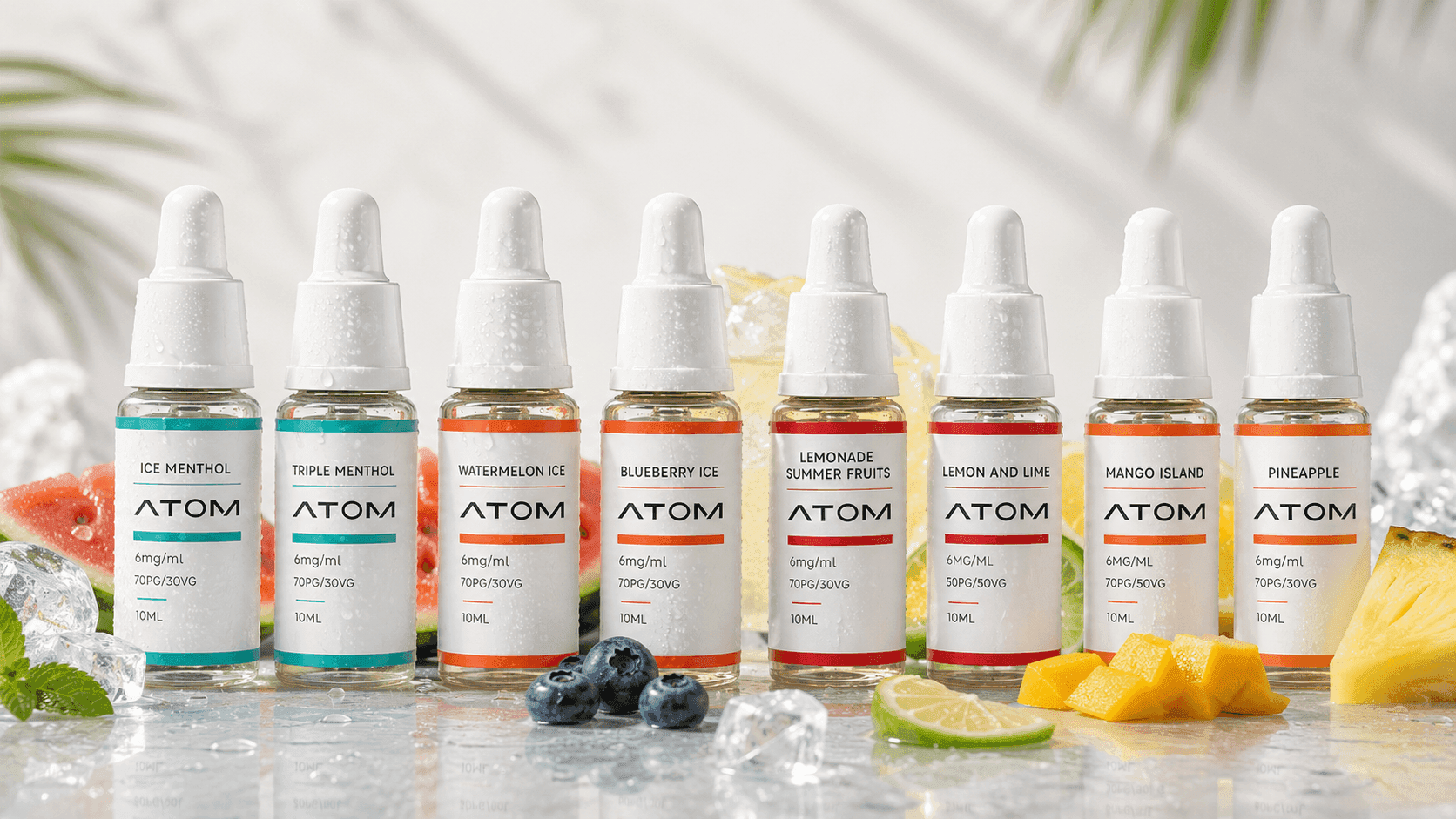
Ready to source ATOM e-liquids with confidence? Explore our complete range of e-liquids across Tobacco, Menthol, Fruit, Drink, and Dessert flavour categories.
Browse Products →
Wholesale Enquiries →
⚠️ WARNING: This product contains nicotine. Nicotine is an addictive chemical. For adult use only.
For wholesales, distributors, and retail partners, product selection is not only about flavour profile or market appeal. It is also about whether the product can support stable market operation, regulatory review, and long-term business reputation. Across global markets, this requires a supplier that can provide batch consistency, and documented test data to support applicable regulatory and quality requirements when needed.
ATOM’s quality inspection programme is designed to provide that foundation. Every production batch undergoes 62 individual physical and chemical tests before release, conducted in Hangsen’s in-house CNAS-certified laboratory — the first of its kind in the e-liquid industry, established in 2016. This enables ATOM to provide batch-level quality documentation that turns product quality from a general claim into a traceable, auditable process.
This article outlines ATOM’s full testing framework — what each category covers, what limits are applied, and how this supports businesses operating in regulated and quality-sensitive markets.
The CNAS-Certified Laboratory: Where the Testing Happens
Before reviewing the specific testing items, it is important to understand the laboratory framework behind them.
Hangsen’s in-house laboratory holds CNAS (China National Accreditation Service for Conformity Assessment) certification — the first in the e-liquid industry, established in 2016. CNAS accreditation is the Chinese equivalent of ISO 17025 laboratory accreditation and is recognised under the International Laboratory Accreditation Cooperation (ILAC) framework. It means the laboratory’s testing methods, equipment, personnel, and quality management systems have been independently audited and certified as competent by an internationally recognised body.
This is the same accreditation framework widely used by pharmaceutical testing laboratories, food safety laboratories, and environmental testing laboratories worldwide. For an e-liquid manufacturer, having this level of accredited in-house testing capability provides a stronger foundation for quality control, batch verification, and regulatory readiness.
Laboratory Equipment
The laboratory is equipped with pharmaceutical-grade analytical instruments selected specifically for e-liquid testing requirements:
Gas Chromatograph (GC) — Used to detect and quantify volatile organic compounds, including nicotine, propylene glycol, glycerol, methanol, and other alcohols. It is a core instrument for e-liquid composition analysis.
Liquid Chromatography Mass Spectrometer (LC-MS) — Provides highly sensitive detection of carbonyl compounds, including formaldehyde, acetaldehyde, acrolein, diacetyl, and tobacco-specific nitrosamines (TSNAs). It is essential for identifying trace-level hazardous substances that may not be detected by less sensitive methods.
Gas Chromatography Mass Spectrometer (GC-MS) — Combines the separation capability of gas chromatography with the identification accuracy of mass spectrometry. It is used for phthalate plasticiser screening, detecting all 17 target compounds in a single analytical run.
Inductively Coupled Plasma Mass Spectrometer (ICP-MS) — The standard instrument for heavy metal analysis. It can detect nine heavy metals at concentrations down to parts per billion, meeting the stringent limits required for both liquid and aerosol testing.
Digital Viscometer — Measures the dynamic viscosity of e-liquid formulations, verifying whether they match reference specifications and supporting consistency in product texture and vaping performance.
Automatic Range Hood (Smoking Machine) — Generates aerosol from e-liquid under controlled conditions and captures the output for analysis. This is required for the 15-item aerosol testing programme, as product evaluation must consider not only what is in the bottle, but also what is generated during use.
The 62-Test Framework: An Overview
ATOM’s quality inspection programme is structured around four production control nodes and two testing programmes:
4 Production Node Controls — Quality checkpoints embedded throughout the manufacturing process.
2 Sensory Index Detections — Organoleptic assessments covering taste and smell, conducted by trained sensory evaluators.
47 Atomized Liquid Physical & Chemical Tests — Comprehensive analysis of the liquid formulation before vaporisation.
15 Atomized Aerosol Physical & Chemical Tests — Analysis of the aerosol generated from the e-liquid under standardised conditions.
Together, these testing procedures cover the key measurable dimensions of product quality, formulation accuracy, and safety control.
Part 1: Atomized Liquid Testing — 47 Items
Section A: Main Ingredients
A fundamental requirement in e-liquid quality control is verifying that the contents of each bottle match the product specification and label declaration. This includes documented tolerances that balance formulation accuracy with normal manufacturing variability.
Nicotine — Target concentration must fall between 95% and 105% of the labelled amount (±5%). Tested using gas chromatography against standard T/CECC 002-2021. For example, a 10 mg/ml product must contain between 9.5 and 10.5 mg/ml in every tested batch.
Propylene Glycol (PG) — Must fall within 90%–110% of the labelled amount. Tested by gas chromatography against YC/T 242.
Vegetable Glycerin (VG / Glycerol) — Must fall within 90%–110% of the labelled amount. Tested by gas chromatography against YC/T 242.
These three measurements confirm that the base formulation is accurate and that nicotine delivery remains consistent across the batch.
Section B: Basic Physical and Chemical Indicators
Five fundamental physical parameters are tested to verify that the product matches its reference formulation. These indicators help confirm that the batch has been produced correctly and that no unexpected changes in composition occurred during manufacturing.
Relative Density (25°C/25°C) — Must be within ±0.010 of the reference substance value. Measured by automatic density meter against YC/T 145.2.
Refractive Index (25°C) — Must be within ±0.010 of reference. Measured by automatic refractometer against YC/T 145.3.
Dynamic Viscosity (25°C, mPa·s) — Must be within ±20% of reference. Measured by rotational viscometer against GB/T 10247.
Acid Value (AV, mg·KOH/g) — Two-tier requirement: if AV ≤20, must be within ±2 of reference; if AV >20, within ±10% of reference value. Measured against YC/T 145.1.
pH Value — Must be within ±0.5 of reference. Measured by pH meter against both YC/T 145.1 and GB/T 1353.1.
Section C: Alcohols — 3 Items
Certain alcohols present safety concerns even at relatively low concentrations. Methanol, in particular, is acutely toxic and may occur as a contaminant in manufacturing environments where ethanol or other solvents are used.
Methanol — ≤100 mg/kg. Tested by gas chromatography against T/CECC 002-2021.
Ethylene Glycol — ≤250 mg/kg. Tested by gas chromatography.
Diethylene Glycol — ≤250 mg/kg. Tested by gas chromatography.
Section D: Carbonyl Compounds — 6 Items
Carbonyl compounds are among the most closely monitored categories in e-liquid safety assessment. Some may be naturally present in flavouring agents at trace levels, while others can form during the vaping process. Although aerosol-phase testing is particularly important, liquid-phase testing provides an upstream quality control checkpoint before vaporisation.
Formaldehyde — ≤20 mg/kg. A known carcinogen; forms at elevated temperatures.
Acetaldehyde — ≤180 mg/kg. A volatile aldehyde with potential respiratory effects at high concentrations.
Acrolein — ≤20 mg/kg. A reactive aldehyde associated with respiratory irritation.
2,3-Butanedione (Diacetyl) — ≤20 mg/kg. A compound subject to significant regulatory attention following links to obstructive lung disease in occupational settings.
2,3-Pentanedione — ≤20 mg/kg. A structural analogue of diacetyl, treated with equivalent precaution.
3-Hydroxybutanone — ≤20 mg/kg.
Tested by liquid chromatography and gas chromatography mass spectrometer against T/CECC 002-2021.
Section E: Heavy Metals — 9 Items
Heavy metal contamination in e-liquids can arise from multiple sources, including ingredient impurities, equipment wear, packaging materials, or the manufacturing environment. Every batch is screened for nine metals using ICP-MS against GB 5009.268.
Metal | Symbol | Limit |
|---|---|---|
Lead | Pb | ≤0.5 mg/kg |
Cadmium | Cd | ≤0.2 mg/kg |
Mercury | Hg | ≤0.1 mg/kg |
Antimony | Sb | ≤2.0 mg/kg |
Nickel | Ni | ≤0.5 mg/kg |
Selenium | Se | ≤0.5 mg/kg |
Barium | Ba | ≤2.5 mg/kg |
Chromium | Cr | ≤0.3 mg/kg |
Arsenic | As | ≤0.2 mg/kg |
These limits are aligned with food and pharmaceutical safety standards, while also recognising that e-liquid is an inhaled product and therefore requires careful consideration of respiratory exposure.
Section F: Phthalate Plasticisers — 17 Items
Phthalates are plasticising chemicals used widely in manufacturing, including in packaging, tubing, and plastic components. They are endocrine disruptors, and their presence in consumable products is tightly regulated in food and pharmaceutical contexts.
ATOM’s testing programme screens for all 17 phthalate compounds identified in GB 5009.271, with a combined limit of ≤60 mg/kg. Testing is performed by gas chromatography mass spectrometer and is delegated to accredited partner laboratories, including Tianjian and China Test, for this category.
The 17 compounds include well-known phthalates such as DEHP, DBP, DINP, and BBP, as well as less common variants including DMEP, DEEP, DBEP, and BMPP. Screening all 17 compounds helps ensure that substitution or cross-contamination is not overlooked.
Section G: Tobacco-Specific Nitrosamines (TSNAs) — 4 Items
Tobacco-specific nitrosamines are carcinogenic compounds that can be present in nicotine extracted from tobacco leaf. Their presence in e-liquid is directly related to nicotine purity, making this test both a product safety check and an indirect assessment of nicotine raw material quality.
The combined sum of all four TSNAs must be ≤0.05 mg/kg:
NNN — N-Nitroso-nornicotine
NNK — 4-(Methylnitrosamine)-1-(3-Pyridyl)-1-Butanone
NAB — N-Nitrosobasine
NAT — N-Nitrosoneonicotinoid
Tested by liquid chromatography mass spectrometer against T/CECC 002-2021. The combined limit of 0.05 mg/kg is highly stringent and reflects the high-purity nicotine sourcing standards required for consistent compliance.
Part 2: Atomized Aerosol Testing — 15 Items
Liquid testing verifies the formulation. Aerosol testing verifies what is generated during use — making it an essential part of real-world product safety assessment.
A standardised smoking machine generates aerosol from the e-liquid under controlled conditions. The aerosol is then captured and analysed across four test groups.
Aerosol Capture Capacity
This test confirms whether the device and formulation produce aerosol consistently. The relative deviation from the average must not exceed 25% across replicate measurements. Tested using Range Hood + Gas Chromatograph against internal standard.
Nicotine Release
The aerosol must deliver nicotine at a consistent rate across replicate puffs. Relative deviation must not exceed 25% from average. This test verifies that the vaping experience and nicotine delivery remain reproducible.
Carbonyl Compounds in Aerosol — 4 Items
Carbonyl compounds may be generated or concentrated during the heating and vaporisation process. Limits are set in micrograms per 100 puffs, tested by Range Hood + Liquid Chromatograph:
Compound | Aerosol Limit |
Formaldehyde | ≤200 μg/100 breath |
Acetaldehyde | ≤3,200 μg/100 breath |
Acrolein | ≤16 μg/100 breath |
2,3-Butanedione (Diacetyl) | ≤140 μg/100 breath |
The acrolein limit of 16 μg/100 puffs is particularly stringent, reflecting its high reactivity and irritation potential in respiratory tissue.
Heavy Metals in Aerosol — 9 Items
The same nine metals screened in the liquid are also tested in the aerosol using Range Hood + ICP-MS. Limits are set in nanograms per 100 puffs — three to four orders of magnitude lower than the liquid-phase limits, reflecting the direct inhalation exposure route:
Metal | Aerosol Limit |
Lead (Pb) | ≤500 ng/100 breath |
Cadmium (Cd) | ≤200 ng/100 breath |
Mercury (Hg) | ≤100 ng/100 breath |
Antimony (Sb) | ≤2,000 ng/100 breath |
Nickel (Ni) | ≤500 ng/100 breath |
Selenium (Se) | ≤100 ng/100 breath |
Barium (Ba) | ≤100 ng/100 breath |
Chromium (Cr) | ≤300 ng/100 breath |
Arsenic (As) | ≤200 ng/100 breath |
These aerosol-phase limits are set with reference to inhalation toxicology data and are aligned with the standards expected in regulated markets, including the UK and EU.
What the Test Results Mean for Your Business
For retailers, distributors, and wholesale buyers
Every batch of ATOM e-liquid supplied to the market has passed through this 62-point quality framework. Nicotine levels are verified, harmful substance screening is completed, and aerosol performance is tested, not only the liquid formulation itself. These controls are supported by batch records within ATOM’s traceability system, helping business partners reduce quality risks and operate with greater confidence across their sales channels.
For global market compliance and quality requirements
ATOM’s inspection programme provides a strong documentation foundation for businesses operating across regulated and quality-sensitive markets. The specific test standards cited, including T/CECC 002-2021, GB 5009.268, GB 5009.271, YC/T 242, and others, support key areas of vaping product quality assessment, including nicotine accuracy, carbonyl compounds, heavy metals, and safety documentation.
For markets with specific notification or compliance requirements, such as the UK and EU under TPD-related frameworks, batch-level testing and traceable quality records can provide important support during product review, market entry, and ongoing supply.
Frequently Asked Questions
Q: How often is each batch of ATOM e-liquid tested?
Every production batch undergoes the full 62-test inspection programme before release. This is not periodic or occasional testing — it applies to every batch.
Q: What does CNAS certification mean for lab results?
CNAS (China National Accreditation Service) accreditation means the laboratory’s methods, equipment, and quality systems have been independently audited against international standards aligned with ISO 17025. Results from CNAS-certified laboratories are recognised under the ILAC framework across more than 90 countries.
Q: Can I obtain a test report for a specific batch of ATOM e-liquid?
ATOM’s traceability system retains batch-level QC test reports. Businesses may contact the ATOM team for batch verification enquiries.
Q: Why are aerosol tests necessary if the liquid has already been tested?
The liquid and aerosol are chemically different. The heating process may generate new compounds or concentrate existing ones. For example, formaldehyde and acrolein can be produced during vaporisation even when liquid-phase levels are low. Aerosol testing is therefore necessary to verify what the end user actually inhales.
Summary: What 62 Tests Actually Cover
Category | Tests | Scope |
Main ingredients | 3 | Nicotine, PG, VG accuracy |
Physical indicators | 5 | Density, viscosity, pH, refractive index, acid value |
Alcohols | 3 | Methanol, ethylene glycol, diethylene glycol |
Carbonyl compounds (liquid) | 6 | Formaldehyde, acetaldehyde, acrolein, diacetyl, pentanedione, hydroxybutanone |
Heavy metals (liquid) | 9 | Pb, Cd, Hg, Sb, Ni, Se, Ba, Cr, As |
Phthalate plasticisers | 17 | DEHP, DBP, DINP and 14 others |
Tobacco-specific nitrosamines | 4 | NNN, NNK, NAB, NAT |
Aerosol capacity & nicotine | 2 | Capture consistency, nicotine release |
Carbonyl compounds (aerosol) | 4 | Formaldehyde, acetaldehyde, acrolein, diacetyl |
Heavy metals (aerosol) | 9 | Same 9 metals, inhalation limits |
Total | 62 |
Learn More:
📄 Inside ATOM’s E-Liquid Manufacturing and Quality Control Standards
Ready to source ATOM e-liquids with confidence? Explore our complete range of e-liquids across Tobacco, Menthol, Fruit, Drink, and Dessert flavour categories.
Browse Products →
Wholesale Enquiries →
⚠️ WARNING: This product contains nicotine. Nicotine is an addictive chemical. For adult use only.
Compartir artículo
Compartir artículo
CONTINUE READING
CONTINUE READING



Copyright © 2026 ATOM. All rights reserved.
Copyright © 2026 ATOM. All rights reserved.